On Top Home Services LLC · Salem, Oregon
Four + systems into one
On Top Home Services is my exterior cleaning company. For years it ran on WordPress, Go-daddy Support, Smartsheet, Google Drive and DocuSign — five subscriptions, five renewal dates, and me acting as the integration layer between all of them. I did not have an expert genius by my side at all times like I do now. Here is what that cost, measured from my own accounts, and what replaced it.
The tools were fine. The seams were not.
Nothing on this list is bad software. The cost was never any one of them — it was the gaps between them, which a person was quietly filling by hand.
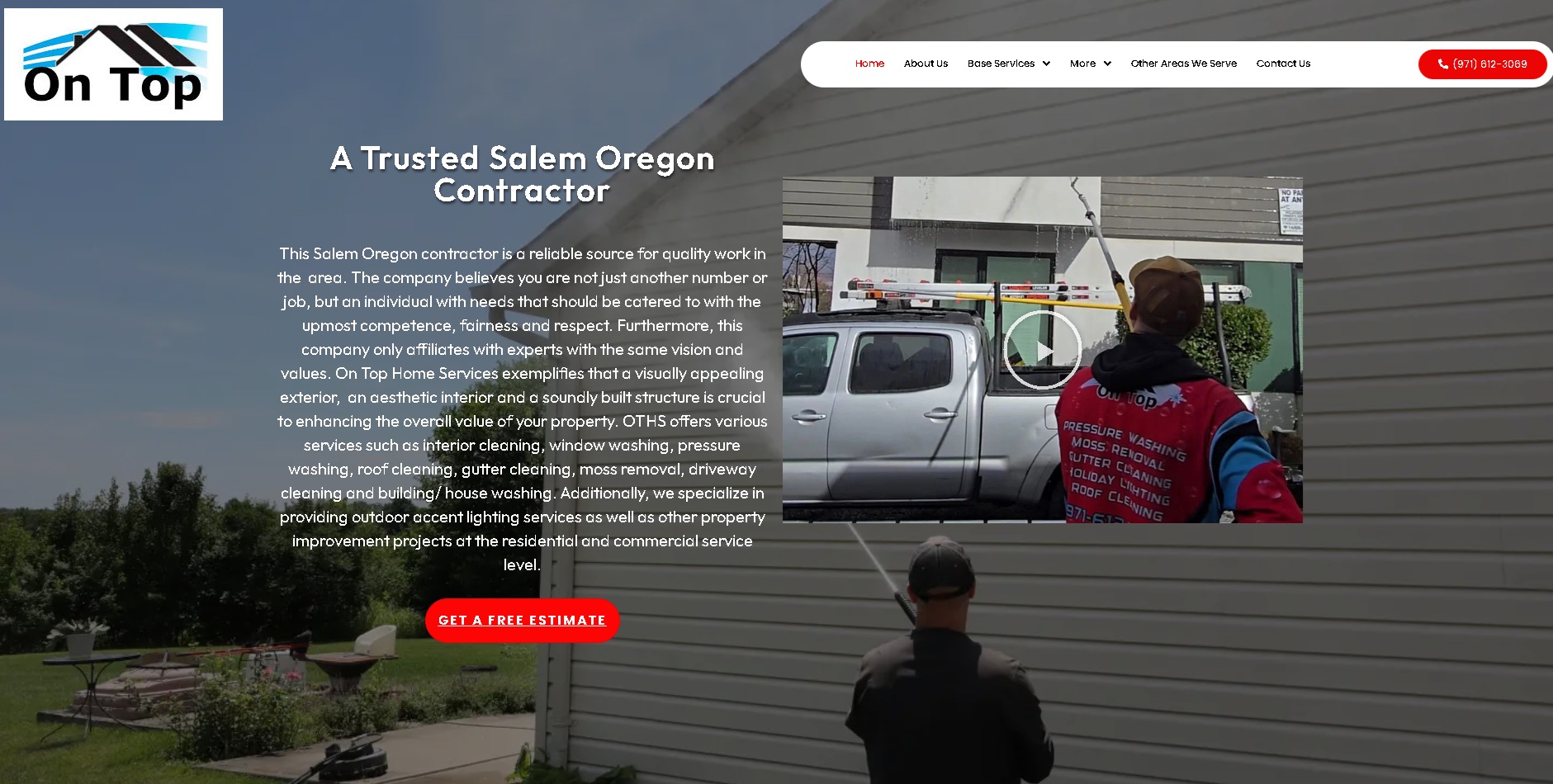
- 01WordPressPublic site and contentA theme plus plugins; every change routed through someone else.
- 02GoDaddy SupportHosting, domain and the help desk behind themA paid subscription to be allowed to ask someone else about my own site.
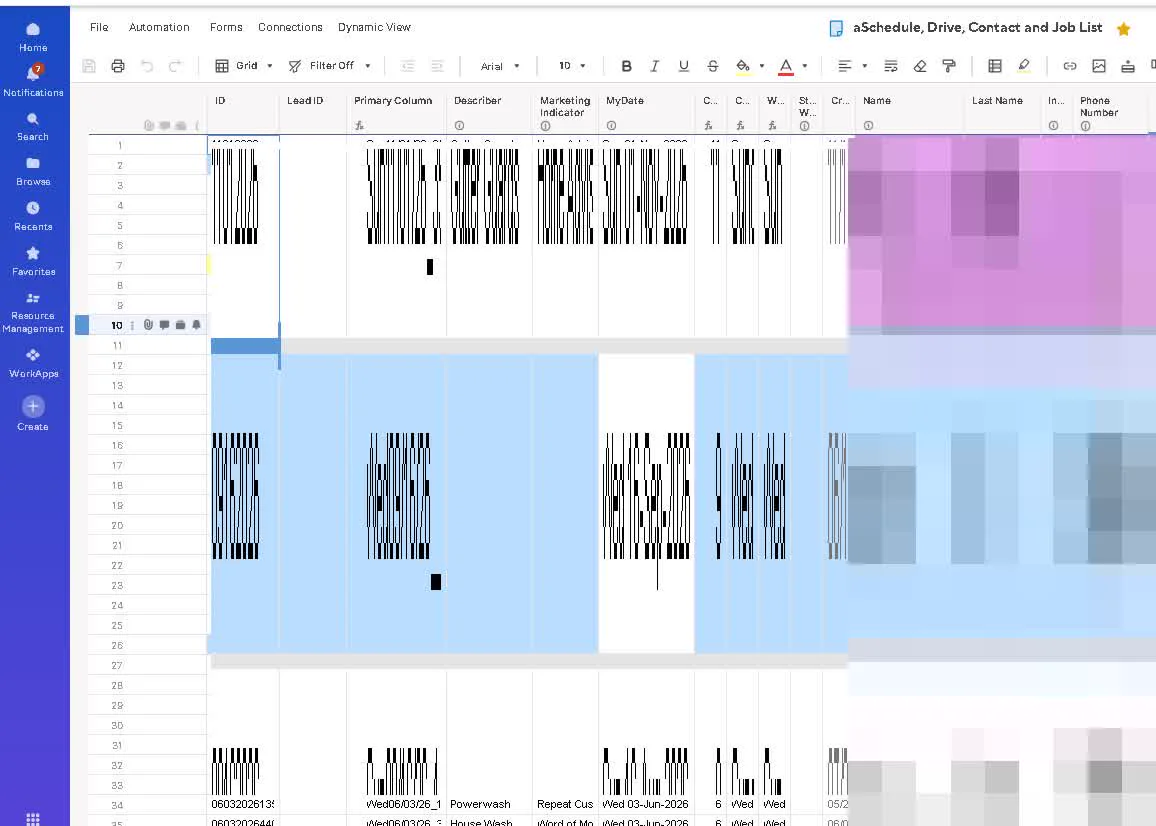
- 03SmartsheetJobs, scheduling, accounting, mileageA grid pretending to be an operations system, re-keyed from quotes.
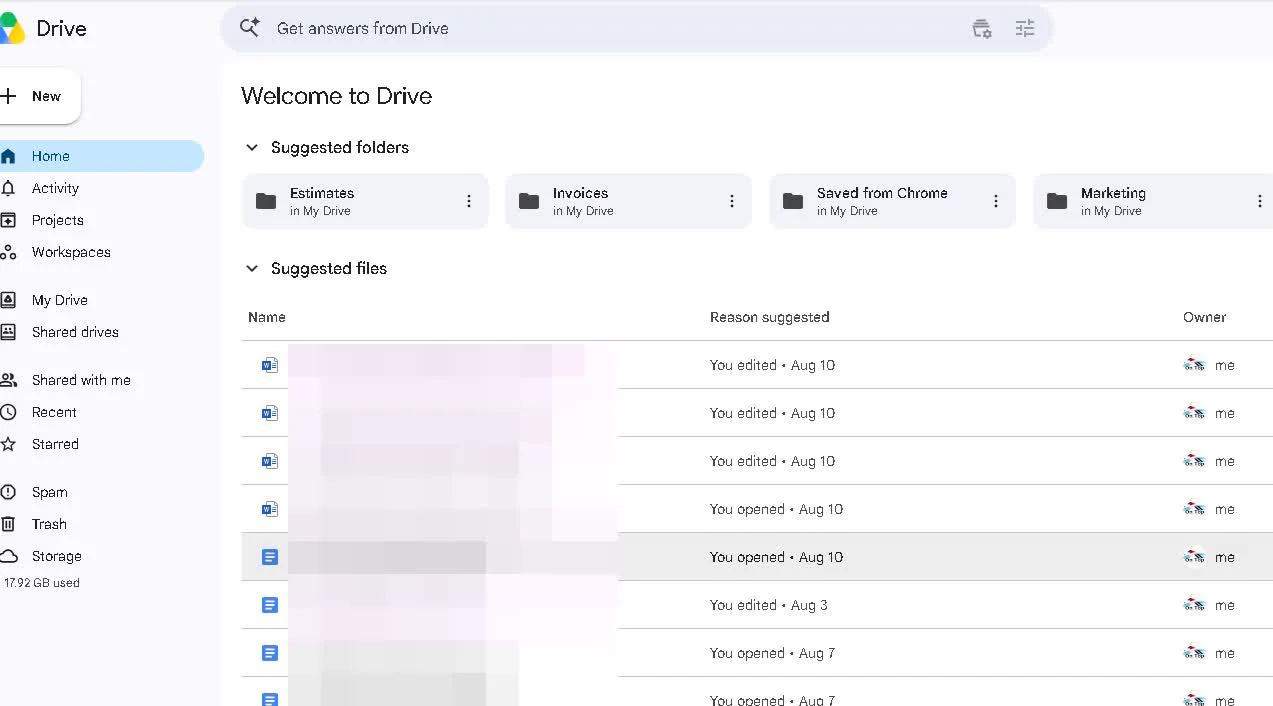
- 04Google DriveQuotes, estimates, invoicesThe real system of record — loose documents, searchable by nobody but their author.
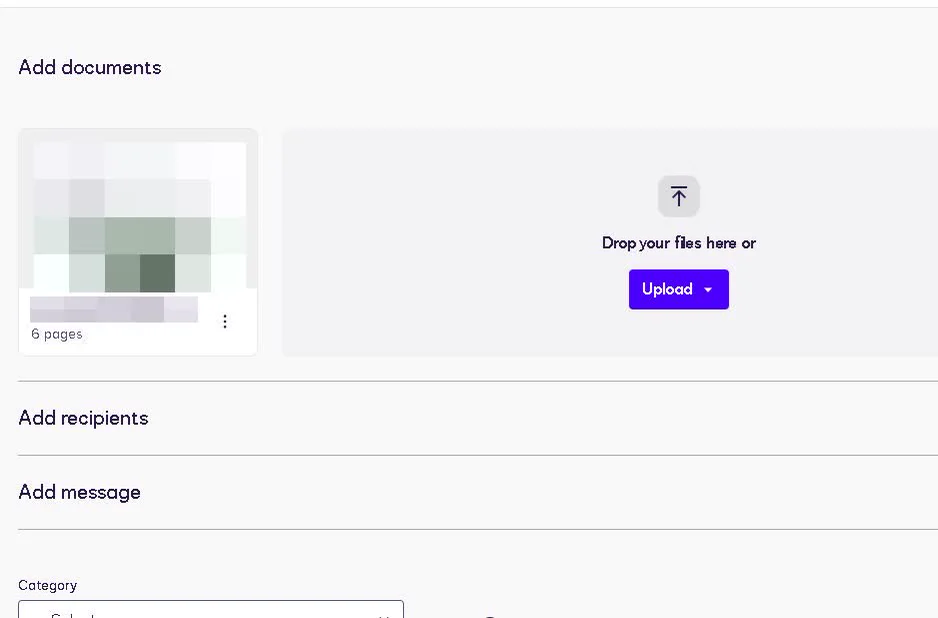
- 05DocuSignSignaturesPer-envelope pricing on documents assembled by hand elsewhere.
The tell was always the same question: “what did we invoice last month, by service?” It could not be answered without a spreadsheet session, because no single tool held both the job and the money. That is not a reporting problem. It is a structural one.
Tools that were replaced
Consolidation, drawn
The argument in one picture: four tools each holding part of a customer, replaced by one system where every module reads the same record.
What one system actually bought
01
One customer record
Captured at enquiry and carried through to the reconciled payment. Nothing is typed twice.
02
Quoting inside the system
Drafted from job type and service history rather than from a blank document.
03
Signature in the flow
Approval happens on a phone, against the quote that generated it, with no envelope fee.
04
Scheduling that knows the job
Crew and date assigned against the same record, visible to everyone who needs it.
05
Invoicing on completion
Raised from what was actually done, not reconstructed from three places a week later.
06
Content the owner controls
Service pages, city pages and media edited in-house, without an agency ticket.
Revenue actuals
$53,420
2024 — “focus shifted to platform build”
$121,810
2025 — “recovery + platform automation benefits”
Those quoted phrases are the annotations carried in the revenue actuals, not a claim this page is making on their behalf. A year spent building costs revenue; the year after it is where you find out whether it bought anything. Source: OTHS revenue actuals.
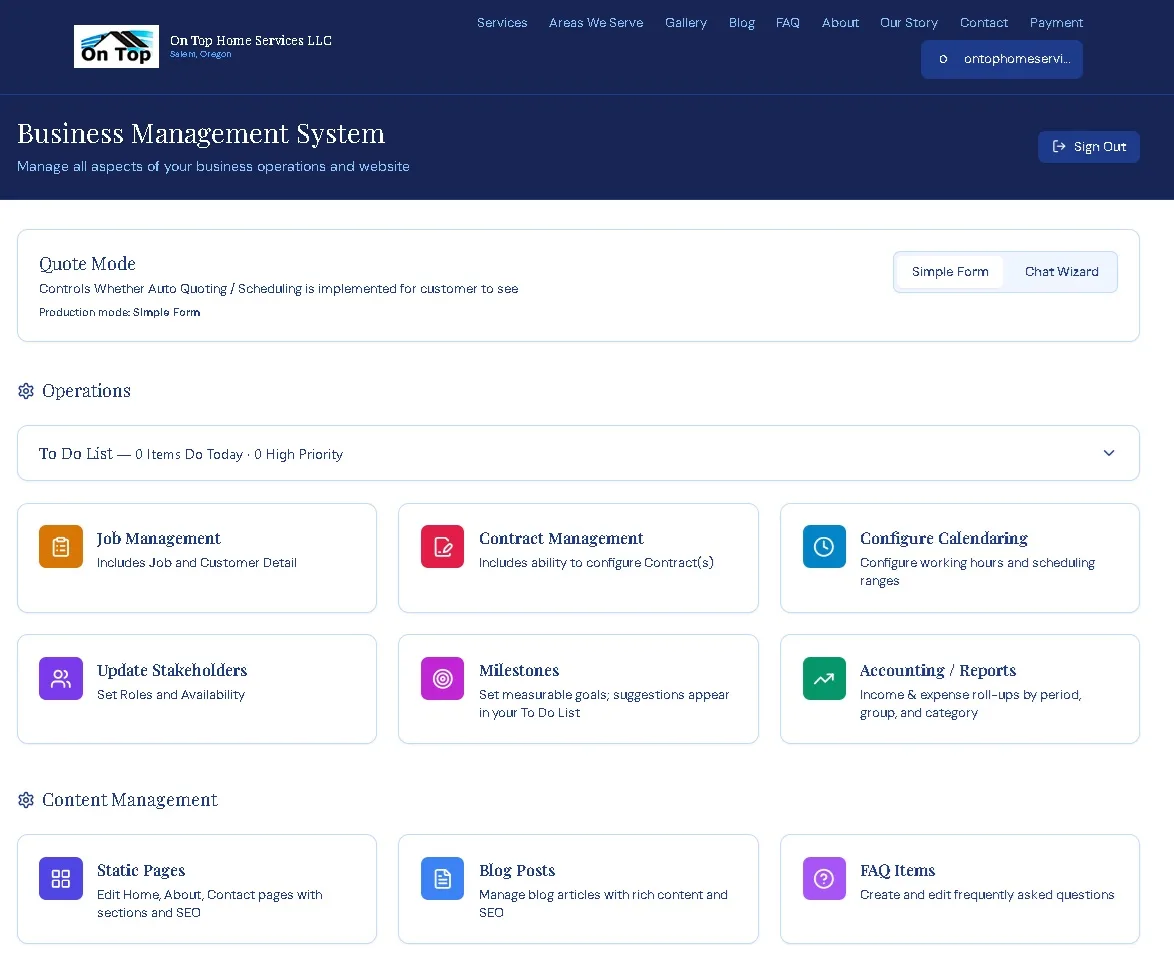
From a WordPress and multi software headache to a simpler solution
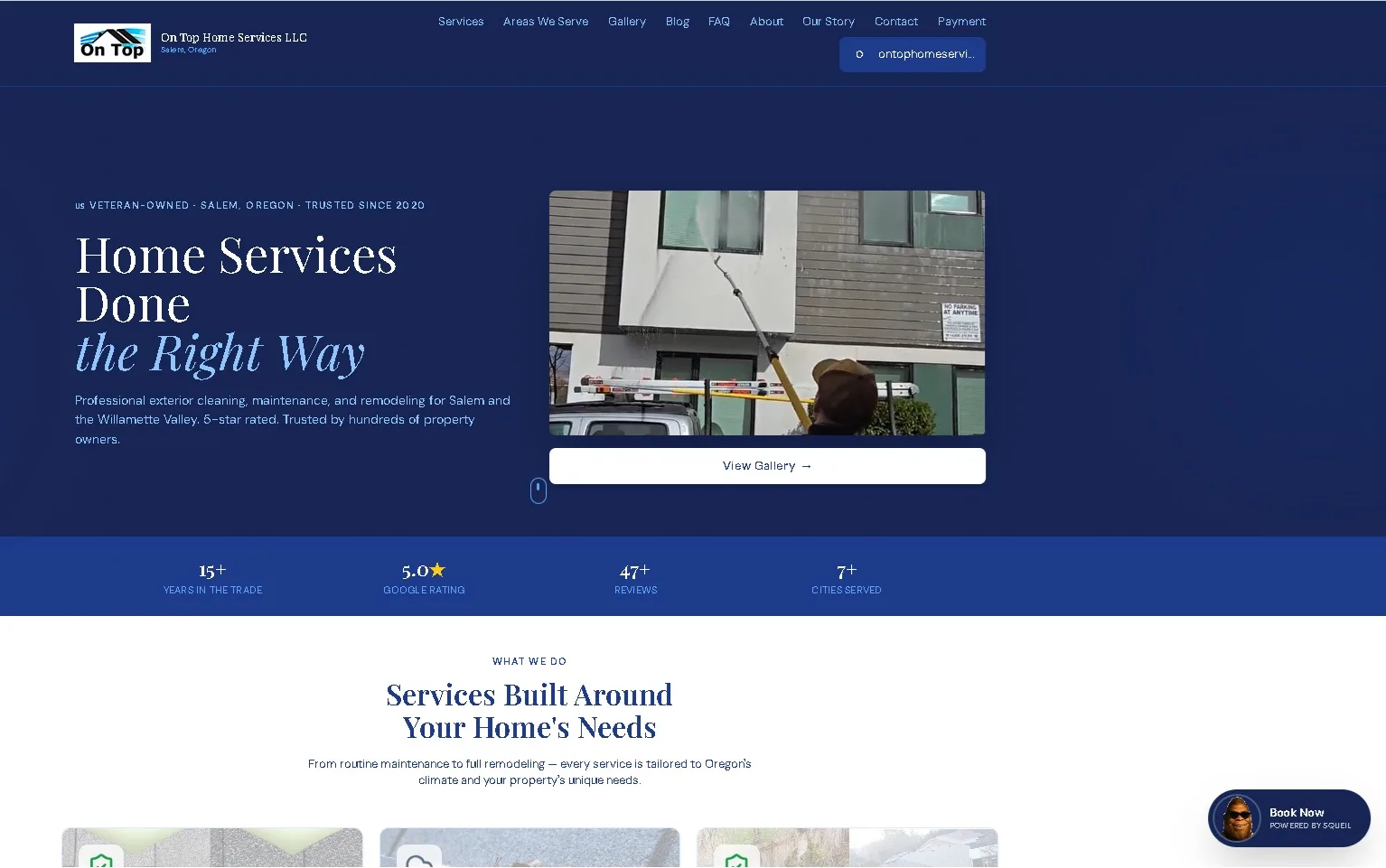
My rebuild carried the local search structure now running across 21 Oregon cities — a real page per service, a real page per city, and dense internal linking between them. That structure is the reason a home services company competes with national lead-generation brands in towns the size of Willamina, and it is the same structure this site runs on. But now I have auto-quoting available, easy reporting on everything, and my customers can easily auto quote and see their job details.
It took me months to build in WordPress and supporting apps what this system can provide in a week. That is the difference between assembling a business out of plugins and subscriptions versus running one system you are not renting.
What running my business actually costed before the upgrade
From my own accounts, not a survey. If you run a contracting business these figures will look familiar — the point is that most owners have never seen them written down.
Average ticket
$726
The average across 500+ completed and paid jobs — what the business actually banks per job.
500+
jobs, completed and paid
Every job that finished and collected money, 2020 through 2026. A deliberate floor — the exact count is 689, and that is the figure every other number on this page is drawn from.
2 hr
per job, administrative and marketing
Quoting, scheduling and paperwork on a typical job. Driving is measured separately and taken out, and so is the build time I logged against jobs while writing the software — what is left is desk work. My own figure rather than a raw timesheet total, which reads higher for exactly that reason.
$82,036
spent for 3.0 yrs (FTE) to be found
Marketing, the website and digital advertising, 2020 through 2025 — one heading in my own accounts, not a bucket assembled to make a point. It averages $27,345 for every full-time year of my own effort it took to earn.
Set against what it produced — around $470,000 of work across 2020 through 2025 part and then full time, the same years that spend covers — that is roughly 17% of gross revenue spent on being found. For a growth-focused trade business that is a healthy and ordinary ratio, provided the gross margin supports it. And it did not buy advertising alone — the same money built the peace of mind that allowed me to progress the operating system the whole business now runs on, end to end.
Two levers move those hours, and they are different jobs. Automation takes out the re-entry — quoting, scheduling and invoicing off one record. Scheduling helps nail down the date, reduces drive time by offering the customer the dates a crew is already routed near them rather than the next open slot - when possible. It’s the little things here and there that added up to a better process.
Same trade, same territory, better work
Measured, not forecast. One number in six years of records moved enough to be worth putting on a page — and it is not the one I expected.
$609
2020 – 2022
Average job before any of this existed. WordPress, a spreadsheet, and quoting from a blank document at the kitchen table. Before the top-shelf engineered washing machine.
$759
2023 – 2024
The rebuild years. The system going in, the search structure going up, and the work starting to arrive differently. After the top-shelf engineered washing machine — and moving into property improvement.
$855
2025 – 2026
Same trade, same territory, same truck. An average job worth 40% more than the one I was doing five years earlier. My chargeable value increased because of consistent quality of service increase as I built continued trust in the market.
These numbers show I know how to grow a business. I want to help get you there quicker so you don’t have to go through all the growing pains I had to — you can have in one year the web presence that cost me three full-time (FTE) years to build. Forty per cent increase in value, across 500+ jobs. I know how to read a market and help the numbers work for you. In my first three years, paid lead generators brought me 37% of my work. Today it is 15%, and my own website and returning customers bring three quarters of it. A trustable web presence brings more jobs, and a solid operating system helps you manage what matters.
Six years of analyzing the market and building my own software, during downtime, is a benefit you can prosper from.
Where the hours go in the next 3 years (projected)
I've started using the system and already am seeing the difference. If it continues, I can expect the following.
1 hr
per job, projected
Half of the 2 hrs of office work a job costs me today. Quoting, scheduling and invoicing stop being three acts of typing against one customer and become one record moving through a system. This is the assumption doing all the work on this page, and it is an assumption.
40 Days
back every year
Not saved money — returned time, which can go to field work, to a second crew, strategizing, or to off time.
120 Days
across the three years
Four months of working days, handed back to a business that never had them to spare.
I am not promising the advertising bill drops. What changes is what it buys. A page that ranks keeps ranking while I am up on a roof, and a search structure built once does not need re-buying every month the way ads do — so the same twenty-seven thousand a full-time year starts buying capacity instead of attention. When you don’t have to spend hours on the phone with GoDaddy, or months to do what now takes weeks, you know things are streamlining.
If the office time does not halve, I will say so right here. That is the deal — this section gets rewritten against real numbers, never quietly left up. Everything above it is already measured. What I would like to do next is build the same thing for somebody else, and help them save on back office work and getting found.
You already know most of this
None of it will surprise you. The point is that you can’t manage what you don’t measure.
You are the integration layer
However with better tools, your office does more with less.
You Should Be Focusing On More Important Things
Instead of invoices for quoting, chasing, scheduling and fumbling paperwork, your numbers are clear and your information is organized to present.
Advertising is many times an afterthought
It gets whatever attention is left once the work is done and the paperwork is filed — which is backwards, because it is the part of the business that decides whether there is any work next month.
What you see is what you get
A trusted partner with skin in the game, who wants to help save you from some unnecessary blood, sweat and tears.
I’m not some punk lying to you from the other side of the phone trying to sell a marketing scam. I’ve been through them all, and I’m sure you’re sick of them too. That’s why I went this route.
Scoped in a conversation
For exterior cleaning companies — pressure washing, roofs, gutters, windows, lights. What this would look like for your business, and what it would cost, depends on what you already run and what you want back. That gets worked out in a consultation, and you get a written scope naming the deliverables before anything is built.
The work behind it
- Running a business like this one? The Tenant Provider Onboarding track walks an owner through the panel and the writing — free, public, fifteen lessons.
- Want the method rather than the outcome? The SPEED body of knowledge is published in full, including the five stages every shipped product moves through.
- Build systems like this for a living? The standard we build to, and how to come in as an implementor.
Next step
How many systems is your business holding together by hand?
The audit that starts this work is fixed-scope and ten business days. It ends with a ranked register and a roadmap naming the first build.